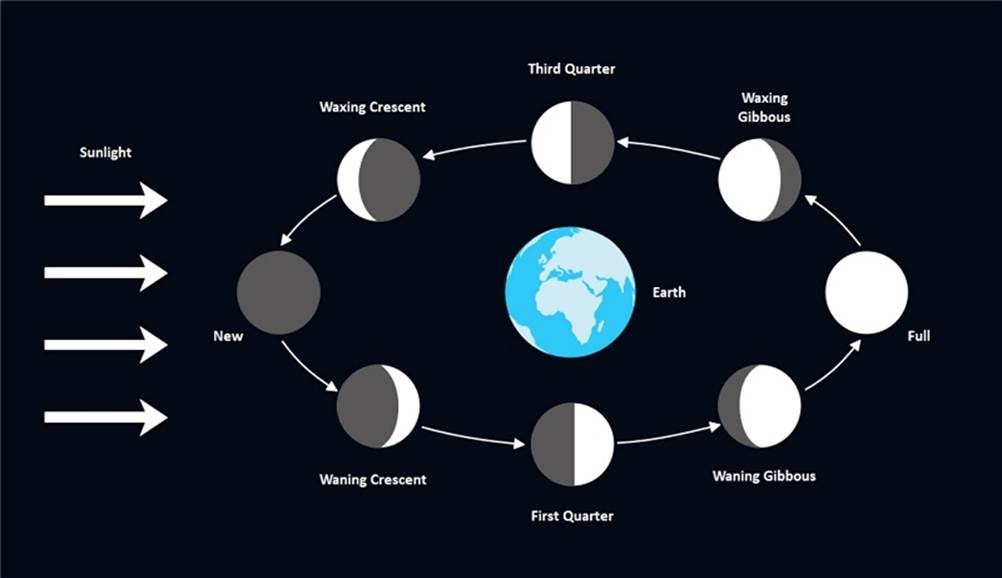
There are 8 phases of the moon that we see every month, most of which I’m sure you will recognize. It goes from a new moon to waxing crescent to first quarter to waxing gibbous and then to the full moon. The full moon is at its peak, and after that there is the waning gibbous, last quarter, waning crescent, and the new moon once more. But did you know that each month the full moon has a unique name that repeats each year?
These names have been around for quite a while, but where did they come from? The names that the full moons are called come from a variety of places, some being Native Americans, colonial Americans, and Europeans. The name used to apply to the whole month, but now the names are mostly only brought up on the full moon.
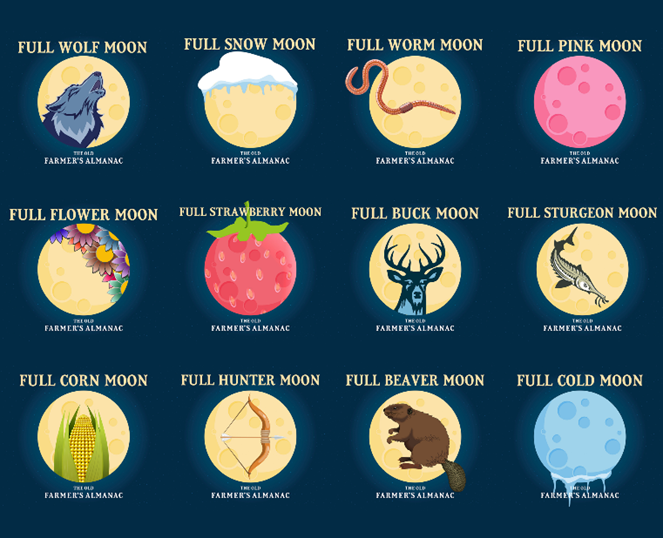
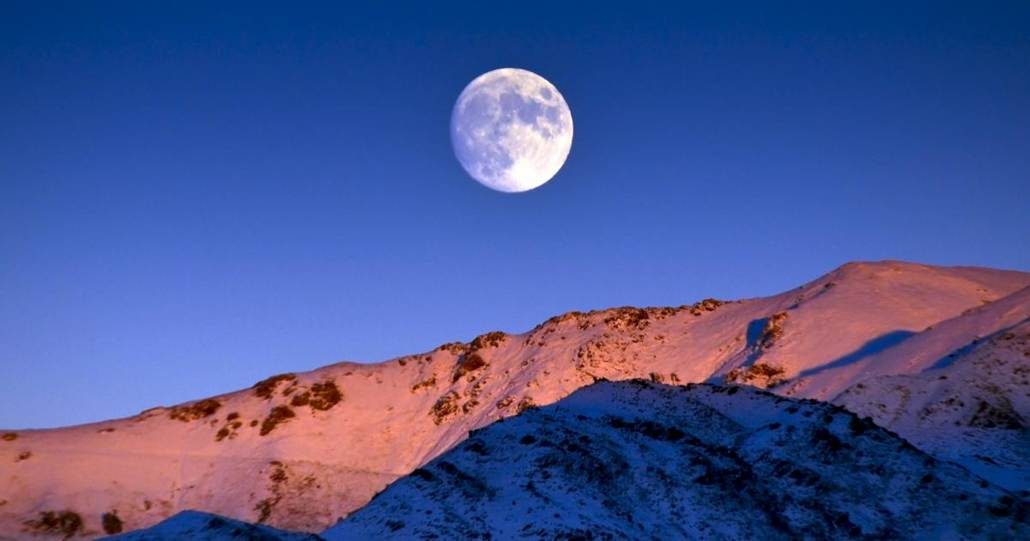
February’s full moon is called the Snow Moon, but why? It’s actually quite straightforward: it usually snows quite heavily during the month of February. In fact, it is the United States’ snowiest month of the whole year! While the Snow Moon is the most commonly recognized name nowadays, there are others that still show up today. Interestingly enough, names for Februarys month are usually connected in some way to animals. The Cree call the moon the Bald Eagle Moon, while the Algonquin call it the Groundhog Moon. Sadly, it’s not all of the names are about animals. Another common theme is scarcity. The Cherokee named it the month of the Bone Moon, or the Hungry Moon. This is because it is usually hard to come by food during this month, so hunger is a prominent feeling during this time.
January is called the Wolf Moon because of the increased howling of wolf packs often heard during mid-winter. They’re generally howling out of hunger, so their calls are often associated with food scarcity.
March is called the Full Worm Moon because of the multitude of earthworms that come out of the ground once it thaws in march. Their arrival signals the end of winter. Native American tribes and early settlers often used the worms as a tell for when the soil was softening.
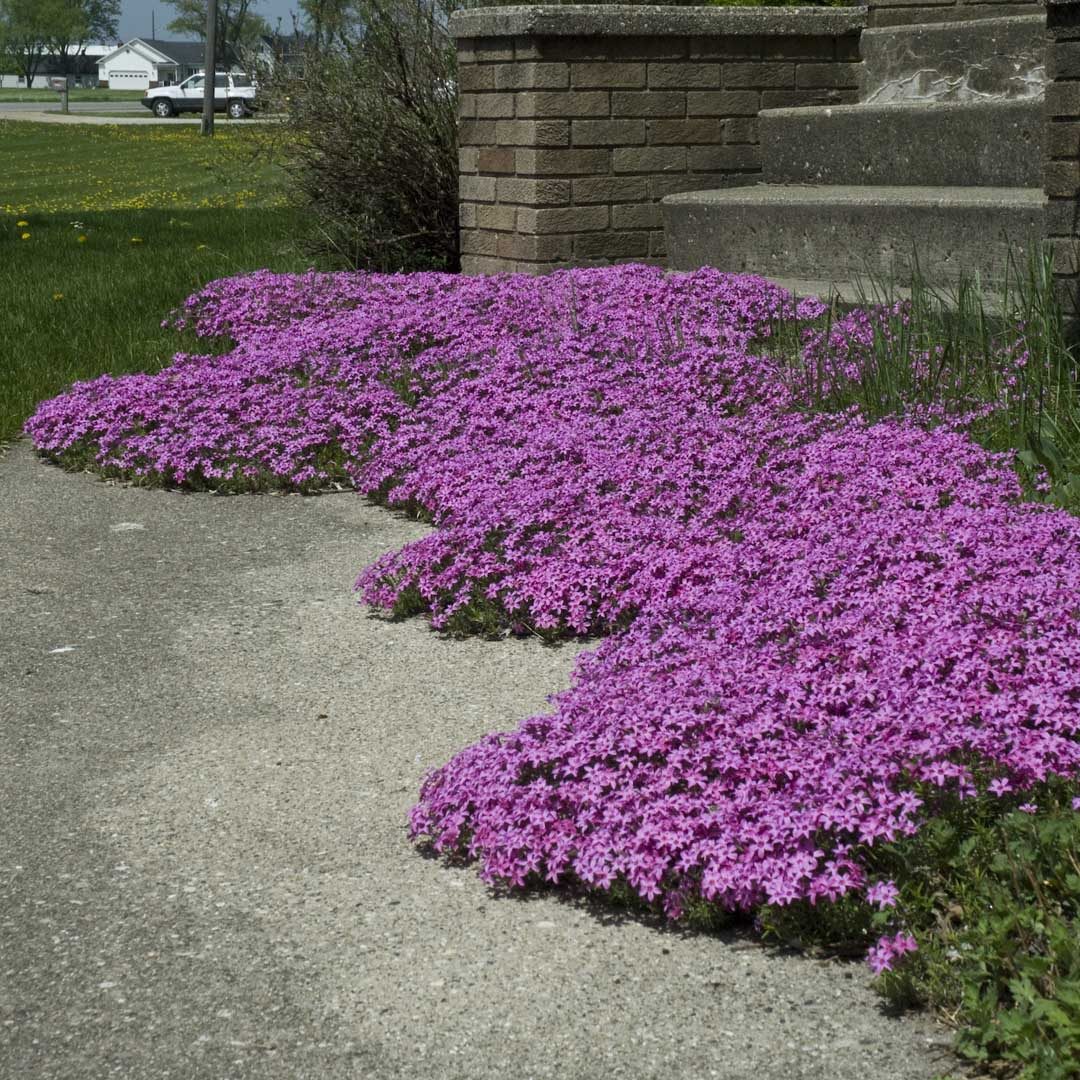
April is called the Full Pink Moon which is named after the phlox subulata wildflower which blooms in early spring and carpets the ground in many places in April. Despite it being called the Pink Moon, the moon isn’t actually a shade of pink in April.
May is called the Full Flower Moon because of the abundance of blooming flowers all across North America. Other names include Budding Moon, Leaf Budding Moon, and Planting Moon.
June is called the Full Strawberry Moon because it is the peak ripening and harvesting of wild strawberries in North America. It signifies a short and sweet harvesting period.
July is called the Full Buck Moon because it is the time of year when male deer grow new antlers, which are velvet-colored and in a rapidly growing stage.
August is called the Full Sturgeon Moon because Native American tribes recognized that August was the time of year when large sturgeon fish were most abundant and easily caught.
September is called the Full Corn Moon because it traditionally marks the time where Native American tribes and early settlers harvested their corn crops. This moon symbolizes the end of summer and the start of the harvest.
October is called the Full Hunter Moon because it was the time for tribes to stockpile meat for the long winter ahead.
November is called the Full Beaver Moon because it is the time of year when beavers build their winter dams, store food, and prepare for the coming winter chill.
December is unsurprisingly called the Full Cold Moon because of the frigid temperatures in December. This name reflects the harsh weather and lack of food present.